

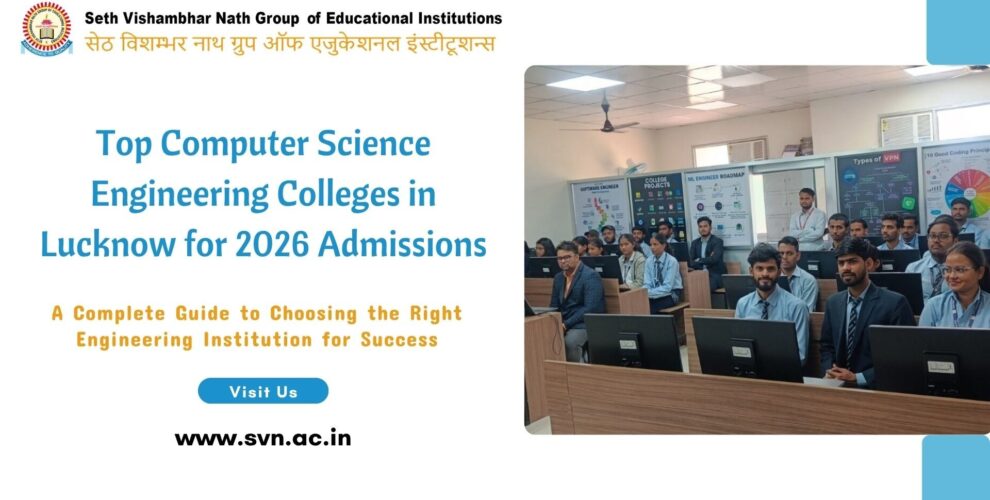
Top Computer Science Engineering Colleges in Lucknow for 2026 Admissions
Computer Science Engineering continues to attract students who are interested in technology, innovation, and modern computing systems. As digital transformation influences nearly every industry, technical education has become increasingly important for learners who want to build a strong foundation in engineering and technology. A quality educational environment helps students develop technical knowledge, practical understanding, and professional skills that support long-term growth.
Students often explore different computer science engineering colleges in Lucknow while planning their educational journey. They look for institutions that offer structured learning, practical exposure, and opportunities to strengthen technical abilities. Choosing the right institution can play an important role in helping learners achieve their academic goals and prepare for future opportunities.
Computer Science Engineering focuses on understanding computing technologies and their applications. Students gain exposure to subjects that help them understand programming concepts, software systems, databases, networking technologies, and emerging areas of innovation. Through continuous learning and practical engagement, learners strengthen their analytical thinking and problem-solving abilities.
Importance of Engineering Education
Engineering education helps students develop technical understanding while encouraging creativity, innovation, and logical thinking. It provides opportunities to explore concepts, understand technological developments, and apply knowledge in meaningful ways.
Many students compare different engineering colleges in Lucknow before selecting an institution. Factors such as academic quality, practical learning opportunities, educational resources, and student support often influence their decision-making process. A supportive learning environment helps learners remain focused on their goals while encouraging academic and personal growth.
Engineering programs are designed to support the development of knowledge and skills that contribute to future success. By combining classroom instruction with practical learning experiences, students gain a deeper understanding of engineering concepts and their real-world applications.
Core Learning Areas
- Programming concepts
- Software development fundamentals
- Computer networking principles
- Database systems
- Analytical and logical thinking
- Technical problem-solving
- Emerging technology awareness
- Professional skill development
These learning areas contribute to the overall development of students and help them strengthen their technical capabilities.
Understanding the Role of Practical Learning
Practical learning is one of the most valuable aspects of technical education. While theoretical knowledge provides a strong academic foundation, practical experiences help students understand how concepts are applied in real situations.
Laboratory sessions, workshops, technical exercises, and project-based learning activities provide opportunities for learners to strengthen their understanding. Through hands-on experiences, students gain confidence in applying technical concepts while improving their analytical abilities.
Practical learning also encourages students to explore solutions independently. It helps them develop a systematic approach to problem-solving and strengthens their ability to think critically when addressing challenges.
Benefits of Practical Exposure
- Better understanding of technical concepts
- Improved analytical abilities
- Enhanced confidence in learning
- Stronger problem-solving skills
- Exposure to practical applications
- Development of teamwork abilities
- Improved technical understanding
- Greater academic engagement
Practical learning supports continuous improvement and contributes significantly to student growth.
Technical Skills and Professional Development
Engineering education supports the development of both technical and professional skills. Technical knowledge helps students understand engineering concepts, while professional abilities contribute to overall personal and academic growth.
Communication skills are particularly important because students often need to explain ideas, participate in discussions, and present information effectively. Teamwork abilities also play an essential role in collaborative learning environments.
Leadership qualities, adaptability, and decision-making capabilities are additional competencies that students can strengthen throughout their educational journey. These skills support future growth and contribute to a well-rounded educational experience.
Skills Developed Through Engineering Education
- Technical knowledge enhancement
- Communication and presentation skills
- Leadership abilities
- Teamwork and collaboration
- Critical thinking
- Decision-making capabilities
- Adaptability and flexibility
- Professional confidence
Developing these skills helps learners become more prepared for future educational and professional opportunities.
Emerging Technologies and Continuous Learning
Technology continues to evolve at a rapid pace, creating new possibilities for innovation and development. Students who stay engaged with learning opportunities are better positioned to understand changing technological trends and advancements.
Many learners today are also exploring AI engineering colleges in Lucknow because of the growing interest in artificial intelligence and related technologies. Awareness of emerging fields encourages students to strengthen their technical foundations while remaining open to new areas of learning.
Continuous learning is important because technology evolves regularly. Students who develop curiosity and a willingness to learn are often better prepared to understand new concepts and adapt to changing environments.
Understanding emerging technologies also helps learners appreciate the role of innovation in modern society. By strengthening technical knowledge and analytical thinking, students can improve their ability to engage with future developments.
Importance of a Supportive Academic Environment
A positive academic environment plays a significant role in helping students achieve success. Institutions that focus on quality education provide opportunities for learners to strengthen their understanding, improve their abilities, and participate actively in educational activities.
A supportive environment encourages students to ask questions, explore ideas, and engage in meaningful learning experiences. Access to educational resources, technical facilities, and academic guidance contributes to overall development.
Students who learn in a motivating environment often become more confident in their abilities. They are encouraged to participate in discussions, practical activities, and collaborative projects that support learning and growth.
Features of Quality Technical Education
- Structured academic programs
- Practical learning opportunities
- Student-focused teaching approach
- Knowledge enhancement activities
- Technical skill development
- Supportive learning environment
- Continuous improvement opportunities
- Focus on overall student growth
These factors contribute to a productive educational experience and support long-term success.
SVNGEI and Engineering Education
Seth Vishambhar Nath Group of Educational Institutions (SVNGEI) is committed to providing quality education that supports academic excellence and student development. The institution focuses on creating a learning environment where students can strengthen their technical understanding and improve their professional capabilities through structured educational programs.
SVNGEI encourages learners to participate actively in educational experiences that promote knowledge enhancement, practical understanding, and skill development. The institution believes in supporting students through a student-focused approach that emphasizes continuous learning and academic growth.
Through quality education and structured learning opportunities, SVNGEI helps students strengthen their foundation while preparing for future educational and professional opportunities. The focus on technical understanding, practical exposure, and overall development contributes to a meaningful learning experience.
Students are encouraged to develop confidence, improve their abilities, and participate in activities that support continuous improvement. This approach helps learners remain engaged in their educational journey and achieve their goals.
Why Technical Education Matters
Technical education is important because it helps students understand modern technologies while developing skills that contribute to personal and professional growth. It encourages learners to think critically, solve problems, and engage with innovation.
The ability to understand technical concepts and apply them effectively has become increasingly valuable in today’s technology-driven environment. Students who focus on technical education often gain opportunities to strengthen their abilities and prepare for future challenges.
Importance of Technical Learning
- Encourages innovation and creativity
- Strengthens logical and analytical thinking
- Supports technical skill development
- Improves adaptability and confidence
- Promotes lifelong learning
- Enhances problem-solving abilities
- Encourages professional growth
- Supports continuous improvement
These qualities help learners become more confident and capable individuals.
Preparing for Future Opportunities
A strong educational foundation helps students prepare for future opportunities while supporting their overall growth. Technical education encourages learners to remain curious, continue developing their skills, and engage actively with learning experiences.
Students who focus on strengthening their knowledge and abilities often gain a deeper understanding of technology and its applications. Continuous learning helps them remain adaptable and prepared for changing circumstances.
Educational institutions play an important role in supporting this process by providing quality learning opportunities and encouraging student development. Through structured learning and practical exposure, students can build confidence and improve their capabilities.
Conclusion
Computer Science Engineering remains an important field for students interested in technology, innovation, and problem-solving. A combination of theoretical learning, practical exposure, and skill development helps learners build a strong foundation for future growth.
Students exploring educational opportunities often evaluate different institutions to find environments that support learning and development. Through quality education, practical understanding, and continuous learning, they can strengthen their abilities and prepare for future opportunities.
Seth Vishambhar Nath Group of Educational Institutions (SVNGEI) continues to support student success through structured educational programs, knowledge enhancement opportunities, and a commitment to academic excellence. By focusing on technical understanding, practical learning, and skill development, students can move confidently toward their educational and professional goals.
Frequently Asked Questions (FAQs)
- What is Computer Science Engineering?
Computer Science Engineering is a branch of engineering that focuses on computing systems, programming concepts, software development, networking technologies, databases, and related areas of technology.
- Why is Computer Science Engineering popular among students?
It helps students develop technical knowledge, analytical thinking, and problem-solving abilities while providing exposure to modern technological concepts.
- What skills can students develop through engineering education?
Students can improve technical knowledge, communication abilities, teamwork skills, leadership qualities, analytical thinking, and professional confidence.
- Why is practical learning important?
Practical learning helps students apply theoretical concepts through laboratory sessions, projects, workshops, and technical activities, improving their understanding and confidence.
- What are the benefits of technical education?
Technical education supports skill development, innovation, problem-solving abilities, adaptability, and continuous learning.
- How does SVNGEI support engineering students?
SVNGEI focuses on quality education, structured learning, practical exposure, and skill development to support student growth and academic excellence.
- Why are emerging technologies important for students?
Emerging technologies encourage continuous learning and help students understand developments that are shaping the future of technology.
- How does engineering education contribute to future growth?
Engineering education helps students build technical knowledge, strengthen professional skills, and develop practical understanding that supports long-term academic and career development.